Returns are no longer a periodic challenge in warehouse operations. They are a persistent, high-impact reality that touches labor planning, space utilization, inventory accuracy, and customer trust every day.
Returns variability is not a failure of planning. It is a structural shift in how commerce behaves. The question is no longer how to reduce returns to manageable levels. The question is whether your operation is built to respond to unpredictability in real time.
Operational confidence comes from systems designed for that reality.
According to research conducted by Shorr in December of 2025, an overwhelming 91% of consumers say they’ve returned at least one item in the past year, and on average, consumers send back nearly five items annually.
Holiday volume compounds the issue. Consumers spent $257.8 billion online between Nov. 1 and Dec. 31 and returns spiked 4.7% compared to last year in the days following Christmas. Those high returns will continue into the first few weeks of January, all according to a report from Adobe Analytics.
That volume changes the role reverse logistics plays inside the warehouse. Returns are no longer an exception to manage after outbound work is done. They are the rule and warehouses that fail to design for them feel the strain everywhere else.
Across conversations on the “Warehouse Automation Matters” podcast, retail operators, 3PL leaders, and technology partners consistently describe the same issue. When returns are treated as a side process, scale suffers. When reverse logistics is intentionally orchestrated, confidence improves.
Design for Returns Variability, Not Volume Averages
Returns rarely arrive in clean, predictable batches. They show up unevenly, in mixed condition, and with multiple disposition paths.
Leaders at Conectiv Supply Chain Solutions highlighted on a recent podcast episode how return behavior varies dramatically by business model. In legacy retail and media environments, returns were consistent enough to support fixed automation. In e-commerce, returns arrive one unit at a time, often without warning, and vary significantly in condition and handling requirements.
That distinction matters. Reverse logistics designed around averages breaks down when variability defines the workload.
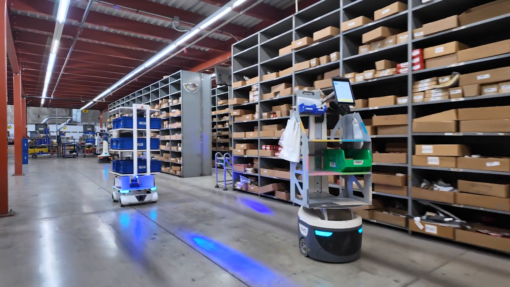
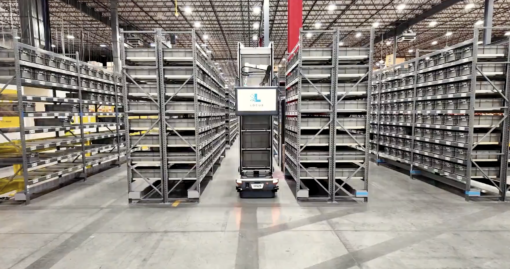
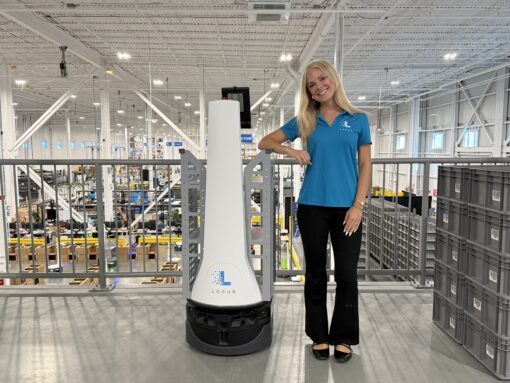
Fixed automation assumes repeatability. Locus Robotics autonomous mobile robots (AMRs) paired with LocusONE™ orchestrate work dynamically, adapting in real time to returns variability.
Flexibility-first automation treats reverse logistics as a living system rather than a forecasted batch.
Your Move
- Map return triggers, not just historical averages
- Separate predictable return streams from high-variability flows
- Design flexible routing paths for inspection, restock, refurbish, or disposition
Separate Movement from Judgment
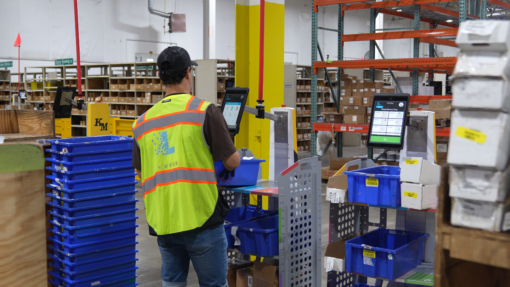
Returns require human judgment in inspection, grading, and disposition decisions. What they do not require is excessive walking, searching, or manual transport.
Across many podcast conversations, leaders consistently pointed to movement as the hidden drain on reverse logistics performance. When associates spend significant time walking returned items between stations, productivity drops and fatigue rises, especially during post-holiday and promotional peaks.
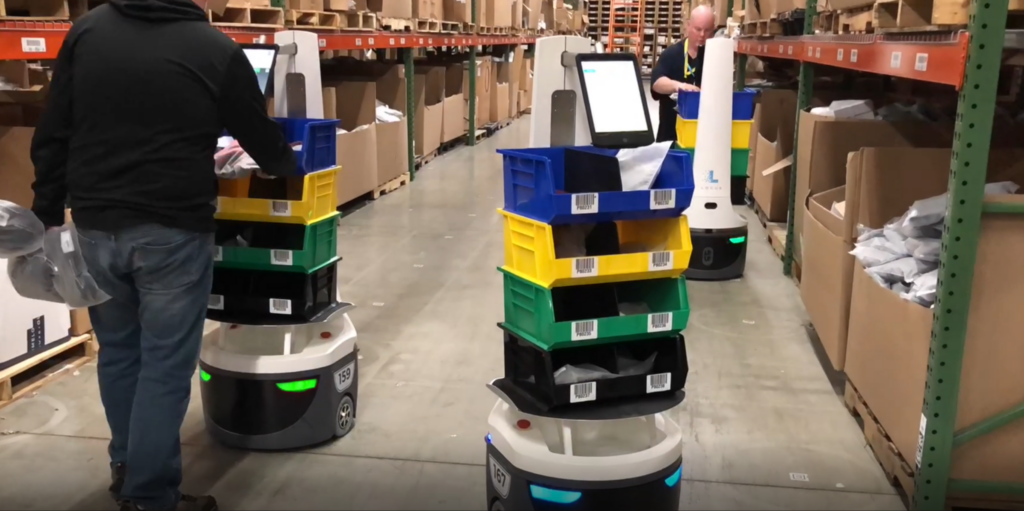
By handling transport and routing, AMRs change that equation as systems allow people to focus on evaluating returned goods rather than moving them.
This aligns with what Tony Altman of Motivational Fulfillment & Logistics Services emphasized about operational design on an episode of “Warehouse Automation Matters” that consistency comes from removing friction, not asking people to work harder.
Your Move
- Audit how much time return associates spend moving versus inspecting
- Use automation to standardize transport between return touchpoints
- Preserve human effort for inspection, grading, and exception handling
Make Returns Visible in Real Time
Returns are inbound inventory. They are also data events.
When returned items sit untracked, inventory confidence erodes. Blind spots in reverse logistics quickly affect outbound performance and SLA protection.
LocusONE serves as the orchestration layer that surfaces real-time return status alongside outbound work. Locus Robotics analytics capture return touchpoints as they occur, transforming reverse logistics from delayed inventory updates into visible, actionable workflow.
Visibility drives predictability. Predictability builds operational confidence.
Your Move
- Track returns as active work, not delayed inventory
- Surface return status alongside outbound priorities
- Route exceptions intentionally instead of letting them accumulate
Protect Warehouse Space Before It’s Gone
Returns quietly consume space. Temporary staging areas turn permanent. Aisles narrow. Forward pick locations get compromised and without intentional design, returns erode capacity long before leaders realize it.
At Conectiv, years of handling high-volume retail returns led to careful space planning — not because returns could be eliminated, but because unplanned returns space was one of the fastest ways to lose throughput.
Your Move
- Measure how long returned items occupy space before disposition
- Design workflows that minimize dwell time
- Treat returns space as operationally critical capacity
Build Consistency into an Inconsistent Process
Returns will always involve variability. Consistency comes from how the system responds.
Partners at Peak Technologies emphasized that predictable task sequencing and simplified training reduced errors even with rotating or seasonal labor. Automation brought repeatability to movement and routing, tightening accuracy where variability already existed.
Standardized response, and not a rigid process, is what allows reverse logistics to scale.
Your Move
- Standardize repeatable return tasks wherever possible
- Reduce training complexity by simplifying routing and task flow
- Let systems enforce consistency so people don’t have to
A Takeaway on Returns and Reverse Logistics
Returns and reverse logistics is one of the clearest tests of whether an operation is built for real-world variability.
Designing for returns variability requires more than incremental adjustments. It requires flexibility-first automation, real-time orchestration, and systems that protect throughput even when unpredictability is constant.
If you are evaluating reverse logistics automation, explore how Locus Robotics autonomous mobile robots (AMRs) and intelligent orchestration with LocusONE™ streamline reverse logistics, reduce returns dwell time, increase returns throughput, and protect outbound service levels.


 Article