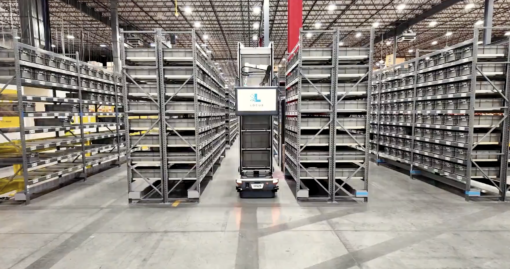
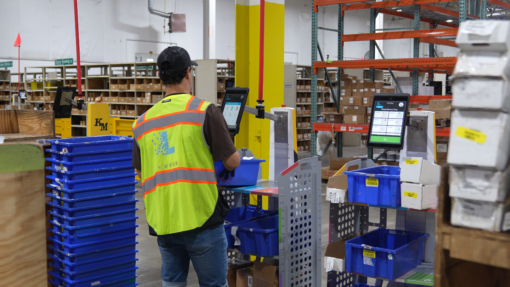
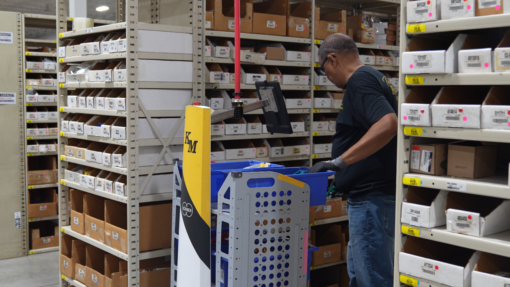
There’s no shortage of 3PLs promising flexibility, but doing business across industries as different as media, consumer electronics, and medical devices demands a system instead of a promise. And at Locus Robotics, we know that flexibility isn’t just a promise. We offer the system to enable 3PLs to achieve it.
Conectiv has built that system over more than a century, evolving from shipping film reels to deploying fulfillment robots. In a recent episode of the “Warehouse Automation Matters” podcast, COO Kevin Sullivan explained how they balance customization with scalable warehouse automation and repeatable processes.
This Playbook breaks down the lessons every warehouse operator can borrow from their approach.
Anchor Flexibility in Your Operating Model and Not in Individual Projects
Sullivan said it best: “Flexibility was just inherent in everything that we did. That’s how we operate. That’s what we do.”
That mindset came from necessity as their early business required simultaneous launches of millions of SKUs, multiple packaging formats, and tight, immovable release windows. Today, that experience shapes how they extend automation into new verticals.
Whether it’s a Walmart replenishment order or a regulated medical shipment, the baseline remains the same of modular systems, prepared people, and workflows that adapt without being reinvented.
YOUR MOVE:
- Build flexibility into SOPs, not exceptions
- Create templates for onboarding new product types
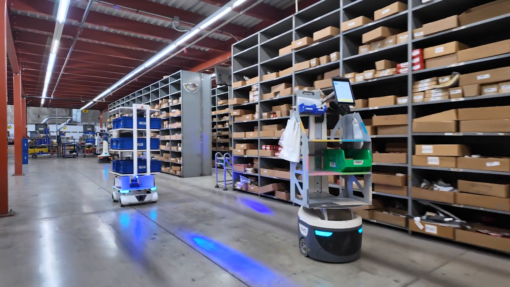
- Use modular automation like Locus Robotics’ autonomous mobile robots (AMRs) to scale without redesigning infrastructure
Automate What’s Stable. Engineer Processes for What Isn’t.
Warehouse automation isn’t always an all-or-nothing investment. Instead, it should be a strategic decision.
“In our legacy media business, you have a relatively standardized form factor. And so, we are heavily automated around that,” Sullivan said. “But collector’s edition sets are a very different animal and you’re not going to really be able to automate that.”
The Conectiv approach:
- Automate with Locus Robotics’ AMRs where scale and standardization allow it
- Build strong manual workflows where variability is required
This blend keeps throughput high without forcing automation to solve problems it’s not built for.
YOUR MOVE:
- Map every step of your workflow by variability and volume
- Invest in process design for manual or hybrid workflows
Treat Onboarding as an Engineering Discipline
Customization creates risk when onboarding is not systematic, and that’s why Conectiv relies on deep discovery from day one.
“Having a highly defined onboarding process is really a key to success,” Sullivan said. “As we engage with prospective customers, fill out those questionnaires, talk to them, and do discovery calls, that level of investigation gets deeper and deeper.”
The outcome is that decisions about warehouse automation come from data and not assumptions.
YOUR MOVE:
- Create a structured intake process that includes SKU, volume, and regulatory requirements
- Tie onboarding steps directly to warehouse automation proposals
- Use onboarding to screen out customers who don’t align with your core capabilities
Use Automation to Strengthen and Not Replace Reverse Logistics
Reverse logistics is where flexibility breaks, as returns vary by product type, regulation, and customer workflow. But Conectiv treats returns as core, and not secondary.
“It really is at the heart of how we operate and what makes us special,” Sullivan said. Their retail return systems are deeply automated, while their e-commerce returns strategy is evolving to support variability.
YOUR MOVE:
- Identify return flow characteristics: volume predictability, product condition, regulatory risk
- Automate with Locus Robotics’ AMRs for high-volume, high consistency returns
- Build returns automation in tandem with inventory management and data visibility
Scale Proven Technologies Before Chasing New Ones
With AI everywhere in supply chain headlines, it’s easy to assume every leader is planning a full reinvention, but Conectiv is taking a different approach.
“Right now, our primary focus is really going to be expanding some of the existing proven technologies that we've deployed,” Sullivan said. That includes Locus Robotics’ AMRs, which integrate with ASRS and emerging tech for future-proof operations.
The takeaway is that innovation is most powerful when it accelerates what already works.
YOUR MOVE:
- Expand the use case of existing automation before adding new tools
- Pair emerging tech (like AI) with stable infrastructure (like AMRs and/or ASRS)
- Measure improvements in customer KPI reporting and onboarding quality and not just pick rates
Final Takeaway
Whether you’re picking DVDs, routing medical products, or prepping custom kitting work, the rules of flexibility are the same to automate the stable, standardize the variable, and build a system that scales beyond any single customer or product.
Conectiv may have started in Hollywood, but what they’ve built is a roadmap for operational reinvention.
Listen to the full episode of the “Warehouse Automation Matters” podcast. And then discover how Locus Robotics helps 3PLs scale automation across industries by exploring our Warehouse Efficiency Playbook.


 Article