The holiday peak frenzy finally winds down by January, but warehouses face yet another monumental challenge - the influx of returns. According to the National Retail Federation, over 16% of holiday purchases get returned, tallying up to a whopping $743 billion in merchandise yearly. For every $1 billion in sales, the average retailer incurs $145 million in merchandise returns, which translates to one in every 6.5 items purchased being returned.
That is a staggering amount of product returning to a store or warehouse. Traditionally, this month of January is one of the most challenging times for logistics and return management in retail warehouses. The post-holiday period doesn't just test the limits of warehouse capacities but also the efficiencies of return processes.
For retail warehouses, processing this flood of returns tests capacities and efficiency. But technologies like warehouse automation and robotics can transform returns management into a streamlined operation. By leveraging innovative solutions, warehouses can smoothly tackle even the highest volume of post-holiday returns. Is your warehouse ready to handle the influx of returns?
Post-holiday returns create one of the most demanding operational challenges for retail warehouses each year. With return volumes spiking sharply in January, traditional manual processes struggle to keep pace. Warehouse automation, powered by robotics, artificial intelligence, and autonomous mobile robots (AMRs), helps facilities process returns faster, improve accuracy, and regain sellable inventory sooner. This article explains how modern automation solutions turn returns from a bottleneck into a competitive advantage.
The Rise of Returns
Every January, returned items pour into warehouses at overwhelming rates, demanding prompt and accurate processing. With this surge in volume, conventional manual methods will fail to handle the surge, creating bottlenecks and dissatisfied customers. Warehouse automation provides much-needed optimization so returns get back on shelves faster.
Bring on the Bots
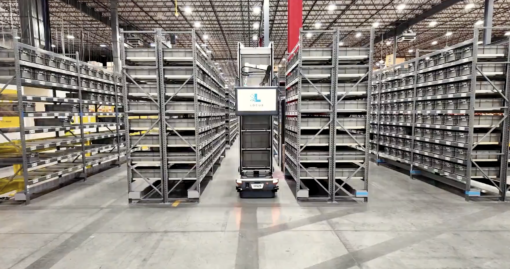
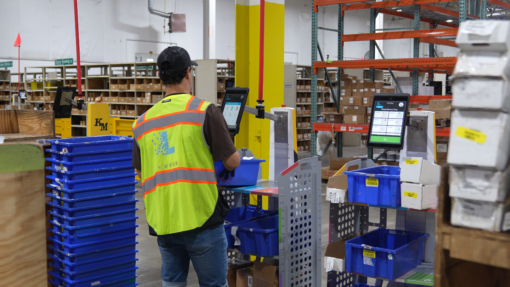
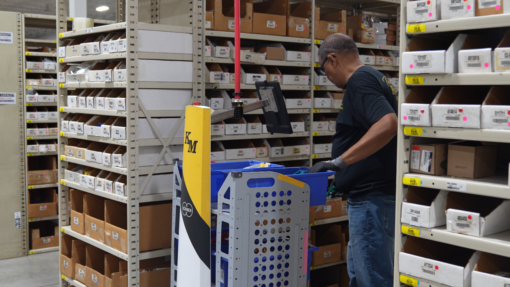
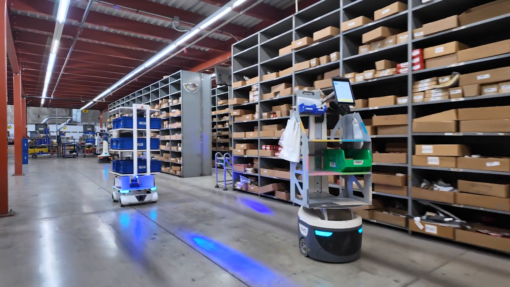
Autonomous mobile robots transport returned goods from receipt to designated storage locations far faster than human associates navigating crowded warehouses. The humans and AMRs work together with the robots taking on the tedious walking through the warehouse, while humans are the ones placing items on the robots; putting the returned goods away; and using their brains to get everything done.
AMRs that can handle multiple use cases maximize efficiency by focusing on returns during peak times and then fluidly switching to other tasks like putaway. Their workload interleaving means no downtime between jobs to keep returns moving quickly.
Smart Returns
Innovative warehouse automation platforms now incorporate artificial intelligence (AI) and machine learning to enhance decisions and workflows. These solutions can be utilized to determine whether returned items should get resold, refurbished or recycled. AI can also help create some “predictability” in volume management and labor allocation. With one program, a warehouse can validate returns and oversee restocking with software that gets smarter over time.
Save Time with Automated Sorting
Integrating technologies like tilt tray sorters amplifies sorting capacity. These automated systems evaluate returned merchandise and divert inventory to appropriate stations for processing. This minimizes time-draining manual sorting while reducing costly errors.
Be Flexible
Rolling with the punches is how warehouses thrive both during retail’s Super Bowl of peak season and in the off-season. Getting your team on board with trying new technology is key. When warehouses embrace innovation, challenges get easier, not harder.
With volumes spiking by up to five times in January, returns can paralyze warehouses lacking robust systems. Warehouse automation offers hope by increasing processing velocity, improving accuracy, and reducing unnecessary handling. The latest robotics and AI elevate returns from a warehouse's greatest vulnerability to one of its strongest profit drivers.
When returns influx threatens to sink warehouses each January, innovation keeps them afloat. By doubling down on automation and analytics, managers can ride the wave rather than get pummeled beneath it. The warehouses that will thrive are those embracing technology to turn returns into revenue while making customers happy.
Is your warehouse still relying on outdated returns processes? See how AMRs accelerate post-holiday returns, schedule a demo.
Frequently Asked Questions
1) Why are post-holiday returns so difficult for warehouses to manage?
Answer: Post-holiday returns arrive in large, unpredictable volumes that overwhelm manual workflows. Without automation, warehouses face congestion, labor strain, slower restocking, and increased errors during peak return periods.
2) How does warehouse automation improve returns processing speed?
Answer: Warehouse automation streamlines every step of the returns process, from transport to sorting and restocking. Technologies like autonomous mobile robots and automated sorting systems reduce travel time, eliminate bottlenecks, and keep inventory moving efficiently.
3) Can autonomous mobile robots handle multiple warehouse tasks?
Answer: Yes. Autonomous mobile robots can shift between returns processing, putaway, and other workflows as demand changes. This flexibility ensures continuous productivity without downtime between tasks.
4) How does AI help with returns decision-making?
Answer: Artificial intelligence analyzes return data to determine whether items should be restocked, refurbished, or recycled. AI also improves labor planning and volume forecasting, helping warehouses prepare for return surges.
5) Is warehouse automation scalable during peak return seasons?
Answer: Modern warehouse automation solutions are highly scalable. Additional robots and system capacity can be deployed quickly during peak periods like January, then reallocated to other workflows once volumes normalize.
6) Will automation disrupt existing warehouse operations?
Answer: No. Most automation solutions integrate with existing warehouse management systems and are designed to operate alongside human associates with minimal disruption during implementation.


 Article