Sakalas at a Glance
Sakalas, a leading Baltic 3PL supporting food distribution, operates under tight dispatch windows, changing customer requirements, and heavier, more varied order profiles.
To improve productivity, the team needed to reduce non-value travel and increase picking performance without disrupting active operations or locking the site into fixed automation. Locus Vector helped Sakalas nearly double pick rates while keeping the operation flexible, in Vector’s first European deployment.
Keeping Food Fulfillment Moving Under Constant Pressure
Food distribution is defined by high-volume picking, changing SKU layouts, tight dispatch cutoffs, rising labor costs — and no room for the shift to fall behind.
Based in Vilnius, Lithuania, Sakalas is a leading 3PL supporting food distribution, where extended peaks, tight space, shared aisle space, and shifting customer requirements made it harder to maintain flow.
Before automation, maintaining rate meant covering more ground manually. Pickers spent much of each shift on manual handling and walking between locations.
As demand grew, Sakalas needed a fulfillment model that could support flexible operations, increase performance on the floor, and support teams handling varied, heavier loads — without disrupting active operations or locking the warehouse into fixed constraints.
The Challenge: Reducing Travel Without Slowing Food Fulfillment
Before automation, Sakalas relied on traditional picking processes supported by forklifts. Operators worked independently and spent a significant portion of shifts travelling rather than picking.
In addition, food fulfillment involves varied, delicate, and often heavy food order handling requirements. To stay agile amid rising labor costs, changing requirements, and shifting SKU layouts, Sakalas needed a solution that would not disrupt active operations or force the facility into fixed constraints.
Before Locus:
- Around 60% of shift time was lost to non-value-added travel
- Performance plateaued at ~45–60 lines per hour
- At the same time, labor costs were rising by 10–12% annually, increasing pressure to find a more efficient operating model
Sakalas needed:
- Higher picking rates, and more productive time on task
- Multiple workflows across different order types and load profiles (from multi-order picking to heavier pallet handling)
- Fast onboarding and consistent performance across teams
- Scalable operations without fixed capacity or long deployment cycles
Handling Heavy, Varied, Complex SKUs — Without Operational Disruption
Sakalas evaluated automation with a clear goal: to improve productivity while keeping the operation agile in an environment that sees constant change.
As a 3PL with no room for disruption, Sakalas needed a solution that was agile, robust, and could adapt fast when demand spikes or SKU layouts change.
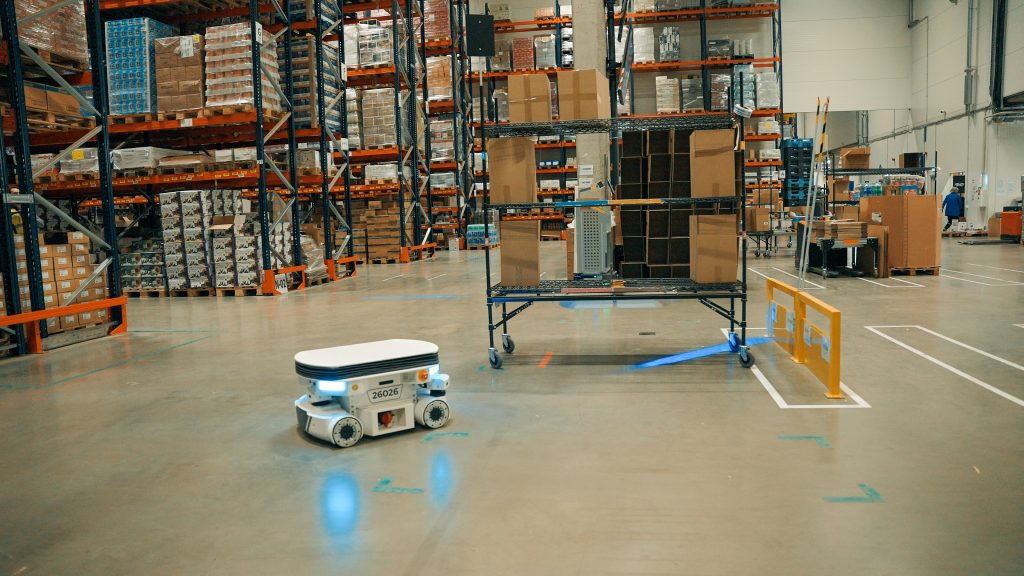
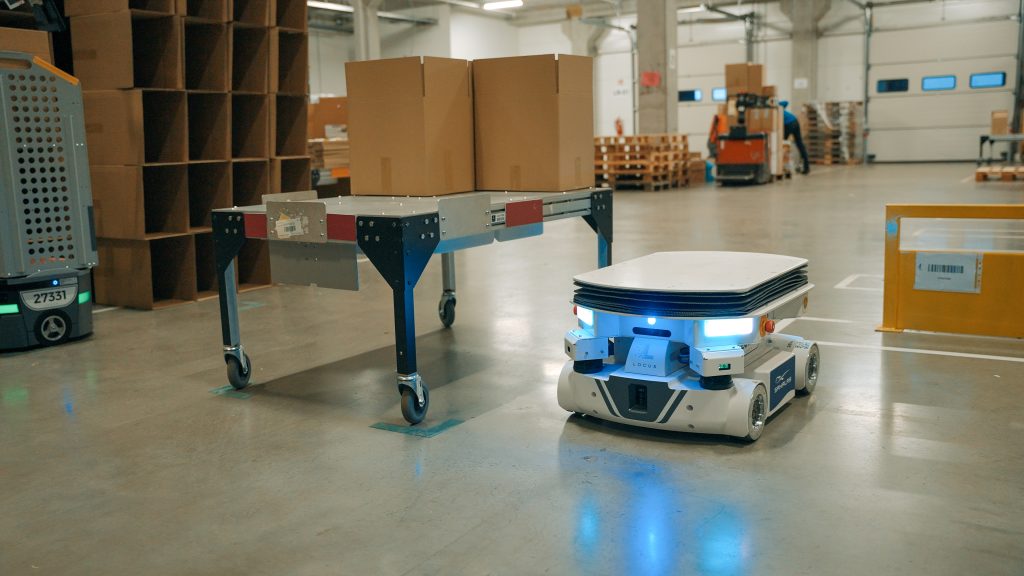
Sakalas became the first warehouse in Europe to deploy Locus Vector, built to keep heavy, bulky, or non-conveyable payloads (of up to 272kg) moving reliably and safely across busy warehouse floors — without breaking flow.
We decided that this solution suits us best due to just one word: Flexibility. With Locus, there are many benefits. One is pricing, talking about Robots-as-a-Service. Another is that you can expand during peak season. Third is that you are not fixing processes to technology, which means you can handle different types of products.
Key Results: 2x Pick Rate Increase. Less Travel. More Flexibility.
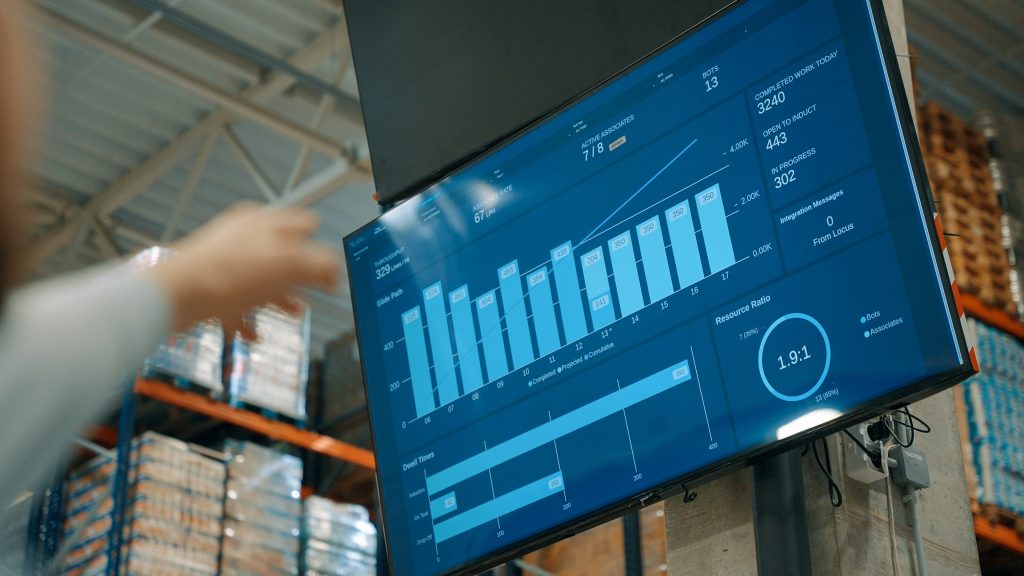
With robots continuously available across the warehouse, workflows have shifted from isolated manual processes to coordinated and flow-based, where pickers stay in productive zones rather than traveling between locations.
LocusONE™ orchestration helped coordinate people, robots, and workflows in real time, so Sakalas could flex around changing order profiles without adding fixed infrastructure.
Able to keep the flow moving across high-volume food orders, and support heavier, more varied SKUs, with Vector, Sakalas has seen:
- ~2x increase in pick rate (from ~45–60 to ~90–100 LPH)
- Up to 50% productivity improvement in overall operations since deployment
- Reduced non-value travel (previously ~60% of time spent walking)
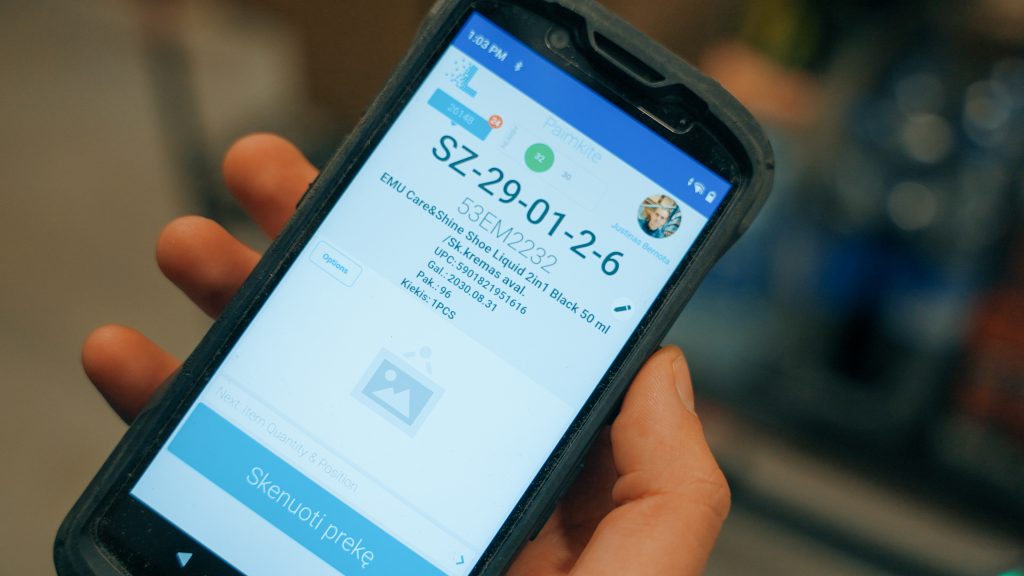
- Improved throughput, with up to 6 food orders picked at once per robot
- Faster onboarding (new associates productive in ~1 day)
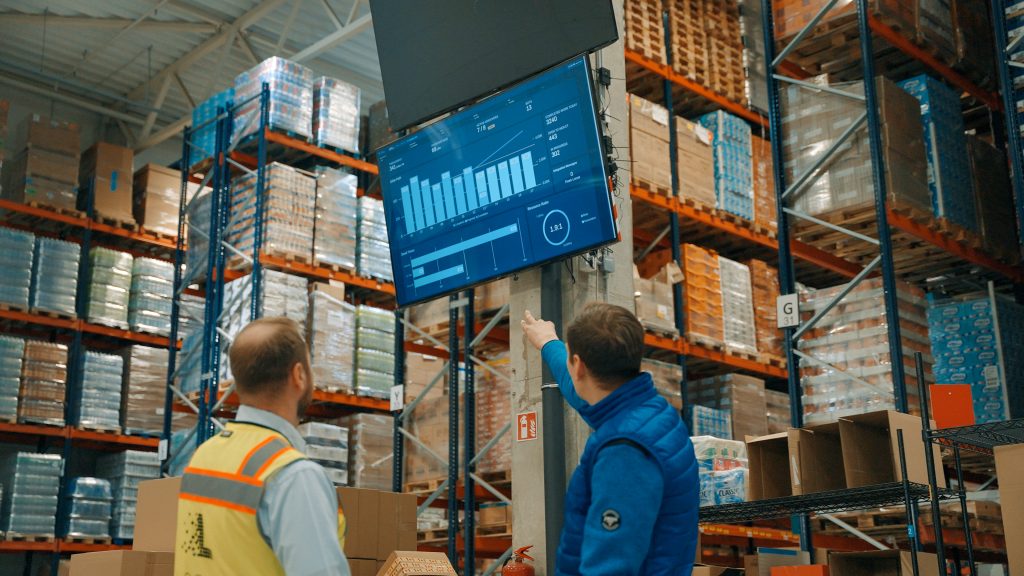
Watch the video to see how Sakalas uses Locus Robotics to reduce travel, improve food fulfillment productivity, and stay flexible as order profiles, SKU layouts, and demand change.